Let’s be honest, for many of us, the electric cooker is the undisputed king of one thing: perfect, fluffy rice. But what if I told you that trusty appliance sitting on your counter is a secret weapon for creating vibrant, nutrient-packed vegetable dishes? Learning How To Use Electric Cooker For Vegetables is a total game-changer, turning a one-trick pony into a versatile kitchen workhorse. It’s about to become your go-to for everything from perfectly steamed broccoli to hearty root vegetable medleys.
Forget soggy, boiled-to-death veggies. We’re diving deep into the art of using your electric cooker to unlock maximum flavor, preserve precious nutrients, and best of all, save you time and effort. This isn’t just about cooking; it’s about elevating your meals with ease. For a complete beginner’s overview, exploring a step by step guide to electric cooker can provide a fantastic foundation for all its functions.
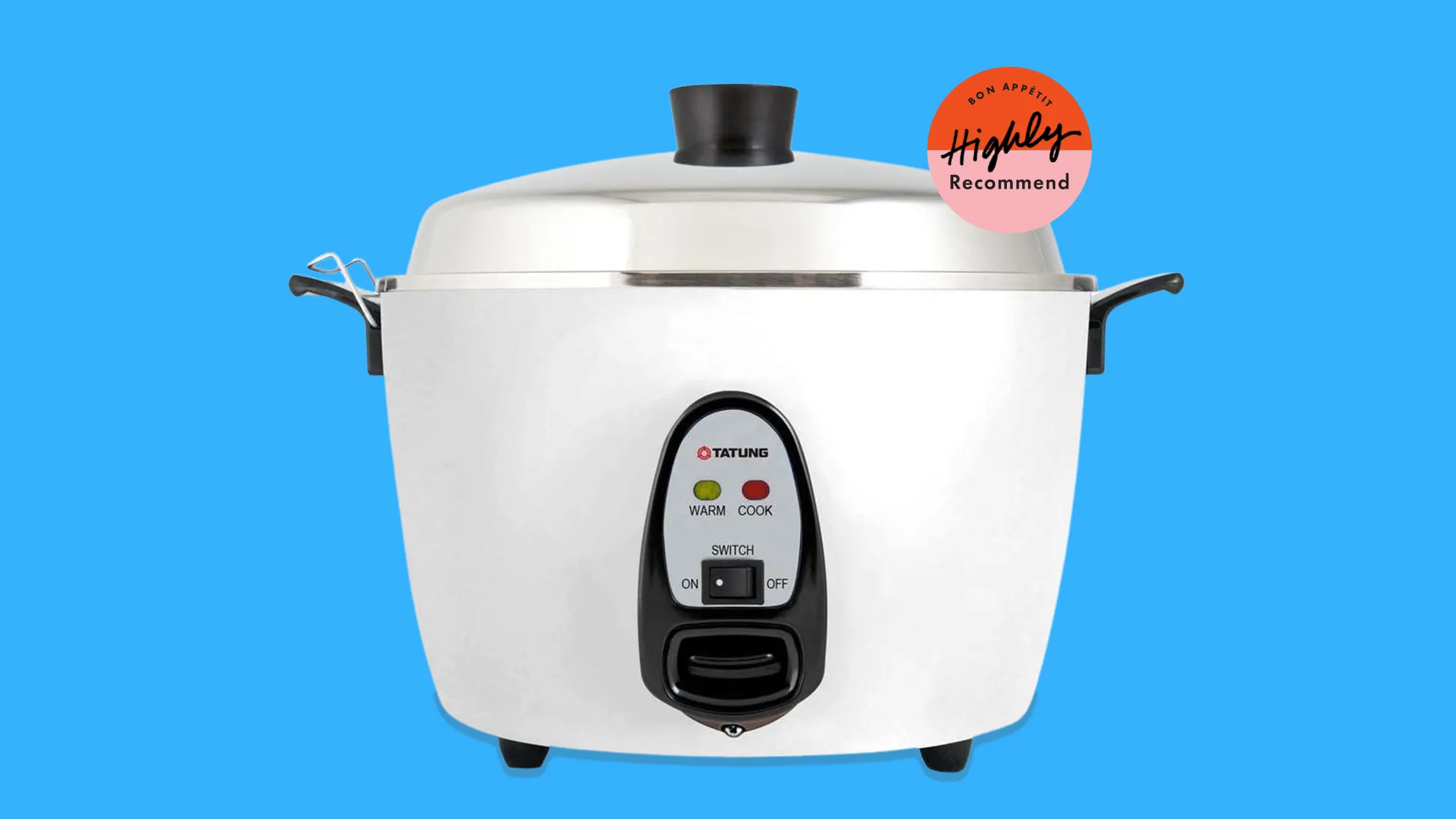
Why Should You Cook Vegetables in an Electric Cooker?
You might be wondering, “I have a stovetop, why bother with the electric cooker?” That’s a fair question. The answer lies in convenience, consistency, and nutrition. An electric cooker provides a controlled, sealed environment that works wonders for vegetables.
- Nutrient Retention: Steaming, the primary method for cooking vegetables in an electric cooker, is one of the best ways to preserve water-soluble vitamins like Vitamin C and B vitamins, which are often lost when boiling.
- Set-It-and-Forget-It Convenience: There’s no need to watch a pot, worrying it’ll boil over or run dry. You add your water and veggies, press a button, and walk away. The cooker handles the rest, often switching to a “Keep Warm” mode automatically.
- Perfectly Consistent Results: The enclosed heating element provides even, gentle heat. This means no more half-raw, half-mushy carrots. You get consistently tender-crisp results every single time.
- Frees Up Your Stovetop: When you’re preparing a big meal, every burner is prime real estate. Using your electric cooker for the vegetable side dish frees up space for your main course.
The Essential Toolkit: Understanding Your Cooker’s Features
Before we get to the “how-to,” let’s quickly break down the parts of your electric cooker that are crucial for vegetable mastery.
The Steamer Basket or Tray
This is your most important accessory. Most electric cookers come with a plastic or metal basket that sits above the water line in the inner pot. This allows the steam to circulate and cook the vegetables without them ever touching the boiling water. If your cooker didn’t come with one, they are widely available and a worthwhile investment.
The Inner Pot
This is where you’ll add the water to create the steam. The measurement lines on the inside are typically for rice, so don’t worry about matching them for vegetables.
The Cooking Functions
While some high-end models have a dedicated “Steam” function, a standard “Cook” or “White Rice” setting works perfectly. The logic is the same: the cooker brings the water to a boil to create steam, and it will cook until the water has evaporated or a timer (on more advanced models) runs out.
The Main Event: How to Use Electric Cooker for Vegetables, Step-by-Step
Ready to get started? Here’s the fundamental steaming method that works for almost any vegetable. It’s incredibly simple.
- Prepare Your Vegetables: Wash and chop your veggies into uniform pieces. Smaller pieces will cook faster. For broccoli or cauliflower, break them into florets. For carrots or zucchini, slice them into rounds or sticks.
- Add Water: Pour about 1 to 1.5 inches (or 2-3 centimeters) of water into the inner pot of the electric cooker. You just need enough to create steam without the water touching the bottom of the steamer basket.
- Position the Steamer Basket: Place the steamer basket inside the inner pot.
- Add the Vegetables: Arrange your prepared vegetables in a single layer in the basket. Try not to overcrowd it, as this can lead to uneven cooking. It’s better to cook in two smaller batches than one giant one.
- Seasoning (Optional but Recommended): You can lightly salt the vegetables now or add a sprig of rosemary or a few garlic cloves to the water below to infuse the steam with a delicious aroma.
- Close the Lid and Cook: Secure the lid and press the “Cook” or “Steam” button.
- Watch the Clock: This is the most important part! Unlike rice, an electric cooker won’t automatically know when your veggies are done. You’ll need to time them manually. Once the cooker starts producing steam vigorously, start your timer. (See our timing guide below).
- Carefully Release Steam and Serve: Once the time is up, carefully open the lid away from your face to avoid a steam burn. Check for doneness with a fork. Serve immediately.
Expert Tip from Kitchen Gadget Guru, Amelia Thorne: “The biggest mistake people make is walking away and letting the cooker run its full cycle. For vegetables, you are the timer. An electric cooker’s cycle is designed for absorbing water into rice, which is far too long for delicate vegetables. Use a separate kitchen timer for perfect, crisp results every time.”
Beyond Steaming: More Creative Vegetable Ideas
Your electric cooker is more than just a steamer. Once you’re comfortable with the basics, you can get creative. The principles are similar to those used when learning how to use electric cooker for curry, where you build flavors in one pot.
- Hearty Soups and Stews: Sauté some onions and garlic directly in the pot (if your model has a sauté function), then add chopped root vegetables like potatoes, carrots, and parsnips, along with broth. Set it to “Cook” and let it simmer away until everything is tender.
- Braised Greens: Add a splash of broth, a minced garlic clove, and a handful of spinach or kale to the pot. It will wilt down in just a couple of minutes on the “Cook” setting.
- Cooking Vegetables with Grains: You can even cook your veggies right on top of your grains. For something like quinoa or rice, simply place your steamer basket with chopped veggies on top after the grain has been cooking for about 10 minutes. The steam from the cooking grains will cook the vegetables. This method has a lot in common with the precision needed to understand [how to use electric cooker for rice](https://electriccookerspares.com/how-to-use-electric– cooker-for-rice/) properly.
A Quick Guide to Vegetable Steaming Times
Timing is everything. These are approximate times starting from when the cooker is producing plenty of steam. Your timing may vary slightly based on the size of your cuts and your desired tenderness.
| Vegetable | Cut | Approximate Steaming Time |
|---|---|---|
| Asparagus | Whole spears | 5-7 minutes |
| Broccoli | 1-inch florets | 5-8 minutes |
| Carrots | 1/4-inch slices | 8-10 minutes |
| Cauliflower | 1-inch florets | 7-10 minutes |
| Green Beans | Whole | 6-9 minutes |
| Potatoes | 1-inch cubes | 15-20 minutes |
| Spinach/Kale | Whole leaves | 2-4 minutes |
| Zucchini | 1/2-inch slices | 5-7 minutes |
Frequently Asked Questions (FAQ)
Q1: Can I cook vegetables and rice at the same time in an electric cooker?
Yes, you can! Place your rinsed rice and water in the inner pot as usual. In the last 10-15 minutes of the rice cooking cycle, place your steamer basket with quick-cooking vegetables (like broccoli or green beans) on top and close the lid. They will steam perfectly while the rice finishes.
Q2: How do I avoid my vegetables turning out mushy?
The key is manual timing. Do not let the cooker complete its full cycle. Use a kitchen timer and start it as soon as you see steam. For tender-crisp results, it’s always better to undercook slightly, as the veggies will continue to cook a little from the residual heat after you remove them.
Q3: Can I use frozen vegetables in my electric cooker?
Absolutely. There’s no need to thaw them first. Just add the frozen vegetables to the steamer basket and increase the cooking time by a few minutes. It’s a fantastic way to get a healthy side dish on the table in a hurry.
Q4: How much water should I use for steaming?
A good rule of thumb is 1 to 1.5 inches of water in the bottom of the inner pot. You need enough to generate steam for the duration of the cooking time but not so much that it boils up and touches the vegetables.
Q5: Can I use broth instead of water for more flavor?
Yes, and it’s a brilliant idea! Using chicken, vegetable, or beef broth instead of water will infuse your vegetables with a subtle, savory flavor. You can also add aromatics like garlic, herbs, or a slice of lemon to the liquid.
Your Kitchen, Reimagined
Mastering how to use electric cooker for vegetables truly opens up a new world of simple, healthy cooking. It’s an efficient, reliable method that delivers delicious results with minimal fuss. Your humble rice cooker is ready to take on a bigger role in your kitchen, helping you create nutritious and flavorful meals for you and your family. So go ahead, grab some fresh veggies, and give it a try.
We’d love to hear about your own experiments! What are your favorite vegetables to cook in your Electric Cooker? Share your tips and successes in the comments below.