Your electric cooker is likely one of the hardest-working heroes in your kitchen. It’s the silent partner that delivers fluffy, perfect rice, steams vegetables to perfection, and maybe even bakes a cake in a pinch. But like any trusty appliance, it needs a bit of TLC to keep it running efficiently and safely for years to come. Knowing How To Maintain Electric Cooker Safely isn’t just about cleanliness; it’s about protecting your investment, ensuring your food tastes great, and keeping your kitchen hazard-free. Let’s be honest, nobody wants to deal with a sputtering cooker or the lingering smell of burnt-on rice from last week. This guide is your one-stop resource for turning simple maintenance into an easy habit.
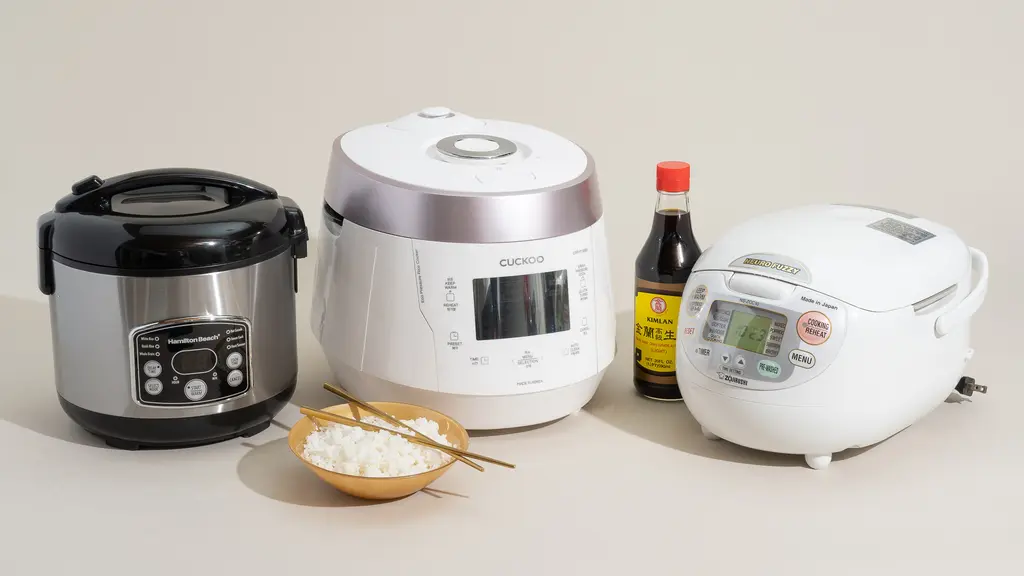
Why Bother with Maintenance? A Peek Inside Your Cooker
To truly understand why maintenance is crucial, it helps to know what’s going on inside that compact machine. At its core, an electric cooker works with three key components: an inner cooking pot, a heating element at the bottom, and a thermostat to regulate temperature. When you press ‘Cook’, the element heats up, boiling the water in the pot. The thermostat senses when all the water has been absorbed (by detecting a sharp rise in temperature above 100°C or 212°F) and switches the cooker to ‘Keep Warm’ mode.
So, why does this matter for maintenance?
- The Heating Plate: Spilled water, grains of rice, or food residue can fall onto the heating element. Over time, this debris can burn, causing unpleasant odors, creating hot spots that cook unevenly, and even becoming a fire hazard.
- The Inner Pot: Scratches on the non-stick coating can cause rice to stick and burn. Worse, flakes of the coating could end up in your food.
- The Seals and Vents: The silicone seals on the lid and the steam vent are essential for trapping heat and pressure. If they are clogged with starchy residue, the cooker can’t work efficiently and might even sputter hot water.
Properly caring for these parts is the foundation of learning how to maintain electric cooker safely.
The Big Payoffs: Why Safe Maintenance is a Game-Changer
Dedicating just a few minutes to care for your electric cooker after each use yields some fantastic benefits. It’s one of the easiest kitchen habits to build with the highest return.
- Longevity: A well-maintained cooker can easily last for a decade or more. A neglected one might give up in just a few years.
- Safety First: The primary reason we stress safe maintenance is to prevent electrical issues or fire hazards. Keeping the heating element and electrical contacts clean and dry is non-negotiable.
- Better Tasting Food: A clean cooker means no leftover smells or burnt bits tainting your fresh batch of rice. Your food will taste pure and delicious, just as it should.
- Energy Efficiency: When the heating plate has perfect contact with a clean inner pot, heat transfer is optimal. The cooker reaches the right temperature faster and more efficiently, saving you a little bit on your electricity bill over time.
Your Step-by-Step Guide on How to Maintain Electric Cooker Safely
Alright, let’s get down to the nitty-gritty. We’ll break this down into daily, weekly, and monthly tasks to make it super manageable.
Before You Begin: Safety First!
This is the golden rule, and it’s not worth skipping. Before you clean any part of your electric cooker:
- Unplug it. Always disconnect the appliance from the power source.
- Let it cool down. The inner pot and heating plate can stay hot for quite a while after use. Give it at least 30 minutes to cool completely to avoid burns.
Daily Maintenance (After Every Use)
Think of this as the 2-minute tidy-up. It makes a world of difference.
- Clean the Inner Pot: Once cool, remove the inner pot. Wash it with warm, soapy water and a soft sponge or cloth. Never use steel wool, abrasive cleaners, or harsh scouring pads, as they will scratch and destroy the non-stick coating. If you have stubborn, stuck-on rice, just fill the pot with warm water and a drop of dish soap and let it soak for 20-30 minutes. It should wipe away easily afterward.
- Wash the Accessories: Give the rice paddle and measuring cup a quick wash as well.
- Wipe the Inner Lid: Many cookers have a removable inner lid plate. If yours does, pop it off and wash it. If not, use a damp cloth to wipe away any starchy residue or condensation from the inside of the main lid.
- Check the Dew Collector: Most models have a small plastic cup on the side to catch condensation. Empty and rinse it out.
Weekly Check-up
Once a week, take an extra five minutes for a more thorough check.
- Inspect the Heating Plate: With the cooker unplugged and the inner pot removed, look at the heating plate. Use a slightly damp (not wet!) cloth or a soft brush to wipe away any crumbs or spilled grains. For any stubborn burnt-on spots, you can use a bit of fine-grit sandpaper (like 400-grit) to gently buff the spot away, then wipe with a dry cloth.
- Clean the Exterior: Use a damp cloth to wipe down the outside of the cooker. This prevents a greasy film from building up.
- Clear the Steam Vent: The steam vent on the lid can get clogged. Most are removable. Take it apart according to your manufacturer’s instructions and wash the pieces thoroughly. Use a small pipe cleaner or brush if needed to clear any blockage. This is a critical step in how to maintain electric cooker safely, as a blocked vent can affect pressure regulation.
“A clean steam vent is an overlooked safety feature. Starchy buildup can prevent steam from escaping properly, which at best makes for mushy rice and at worst can cause dangerous sputtering of hot water. It’s a two-minute check that saves a lot of trouble.”
— Jessica Chen, Kitchen Appliance Specialist
Monthly Deep Clean
Give your cooker a spa day once a month. This is especially important if you use it daily.
- Deodorize the Cooker: Sometimes, especially after cooking things like porridge or savory rice dishes, a faint smell can linger. To neutralize it, fill the inner pot halfway with water and add the juice of half a lemon or a quarter cup of white vinegar. Close the lid and run a full cook cycle. When it’s done, let it cool, discard the water, and wipe the inside.
- Check the Gasket/Seal: Inspect the rubber or silicone seal around the lid. Wipe it clean with a damp cloth. Check for any signs of cracking or warping. If the seal is damaged, it won’t close properly, and you’ll lose heat and moisture. A worn-out seal is a common reason for a cooker’s performance to decline, but it’s an easy fix. You can often find a replacement right here at [Electric Cooker Spares]().
- Wipe Everything Down: Do a thorough wipe-down of all surfaces, nooks, and crannies you might miss in your daily routine.
Maintenance Tips for Different Cooker Types
Not all electric cookers are created equal. Here’s what to keep in mind.
- Basic/Conventional Cookers: These are the simplest to maintain. The steps above cover everything you need. Their simplicity is their strength!
- Multifunction/Smart Cookers: These often have more complex lids with more parts in the steam vent assembly. Take extra care to disassemble and clean these parts according to the user manual.
- Induction Heating (IH) Cookers: The good news is that IH cookers don’t have a traditional heating plate that comes in direct contact with the pot. The heating is done through magnetism. This means you won’t have to worry about cleaning a burnt-on heating element! However, you still need to keep the area where the pot sits perfectly clean to ensure the sensors work correctly.
Common Mistakes to Avoid
Learning how to maintain electric cooker safely also means knowing what not to do.
- Never submerge the main body in water. The outer casing contains all the electrical components. Wiping with a damp cloth is all it needs.
- Don’t wash rice inside the non-stick inner pot. The swirling motion of hard grains of rice against the coating can cause micro-scratches that degrade it over time. Wash your rice in a separate bowl.
- Avoid using metal utensils. Never scoop rice out of the inner pot with a metal spoon or fork. Stick to the plastic paddle that came with it or a silicone or wooden utensil.
- Don’t put a wet inner pot back into the cooker. Always wipe the outside of the inner pot completely dry before placing it on the heating element. Water can short-circuit the appliance or damage the thermostat.
Frequently Asked Questions (FAQ)
Q1: How often should I deep clean my electric cooker?
A1: A monthly deep clean is a great rule of thumb for regular users. If you only use your cooker once or twice a week, you can probably stretch this to every two or three months. The key is to address any spills or odors as they happen.
Q2: Can I put the inner pot in the dishwasher?
A2: It depends on the manufacturer. Many modern inner pots are listed as dishwasher-safe, but harsh detergents and high heat can degrade the non-stick coating over time. For maximum longevity, hand-washing with a soft sponge is always the safest and best option.
Q3: What should I do if my cooker has a burnt smell?
A3: First, unplug the cooker and let it cool. Then, check the heating plate for any spilled food or debris and clean it off. If the smell persists, it might be an internal electrical issue, and you should stop using it and have it checked by a professional.
Q4: My rice is starting to stick. Is my cooker broken?
A4: Not necessarily! This is usually the first sign that the non-stick coating on your inner pot is wearing out. Inspect it for scratches. If it’s heavily scratched, it’s time for a replacement. A new inner pot can make your cooker feel brand new again. [Browse our selection of replacement inner pots here]().
Q5: How do I store my electric cooker when not in use?
A5: Store it in a clean, dry place. Leave the lid slightly ajar or open to allow air to circulate and prevent musty smells from developing. Make sure the cord is loosely coiled and not bent at sharp angles.
Your Partner for a Long and Happy Cooker Life
Your electric cooker is a marvel of simple, effective technology. By following these straightforward steps on how to maintain Electric Cooker safely, you’re not just cleaning an appliance—you’re ensuring countless future meals are delicious, effortless, and safe for your family. It’s a small investment of time that pays off every single day.
Have any of your own tried-and-true maintenance tips? Share them in the comments below! We’d love to hear how you keep your kitchen hero in top shape.