There’s something magical about a simmering pot of stew, isn’t there? The aroma fills the house, promising a hearty, comforting meal that warms you from the inside out. But what if I told you that the secret to a perfect, fall-off-the-bone stew might already be sitting on your kitchen counter? That’s right, we’re talking about your trusty electric cooker. Learning how to use an electric cooker for stew is a game-changer, transforming this humble appliance into a slow-cooking powerhouse. Forget hovering over a hot stove; get ready for a simpler, more flavorful way to create this classic dish.
For those just getting started with their appliance, understanding the fundamentals is key. To get a comprehensive overview, our step by step guide to electric cooker provides a fantastic foundation before you dive into more adventurous recipes like this one.
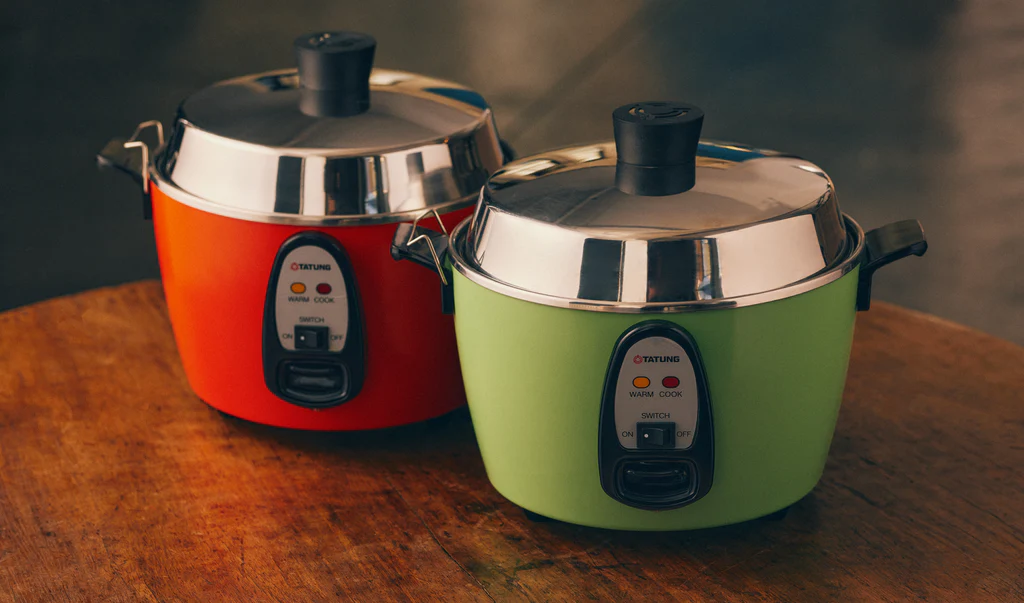
Why is an Electric Cooker Perfect for Making Stew?
At first glance, you might think, “It’s a rice cooker, not a slow cooker!” And you’re not wrong. But the very technology that makes it brilliant for rice is what makes it a secret weapon for stews. An electric cooker is designed to maintain a consistent, low-and-slow heat in a tightly sealed environment. This is the holy trinity for a great stew.
- Consistent Heat: Unlike a stovetop that can have hot spots and requires constant adjustment, an electric cooker provides a steady, gentle heat. This ensures your meat becomes incredibly tender without burning or sticking to the bottom.
- Sealed Environment: The lid of an electric cooker creates a fantastic seal, trapping moisture and flavor. This means less evaporation, so your stew’s rich, savory broth doesn’t disappear. All those delicious flavors from your meat, vegetables, and herbs meld together beautifully.
- Set-It-and-Forget-It Convenience: This is the real kicker. Once you’ve added your ingredients, you can pop the lid on and walk away. There’s no need to stir constantly or worry about it boiling over. It’s perfect for a busy weekday or a lazy Sunday.
Choosing the Right Ingredients for a Flawless Stew
Before we get into the “how,” let’s talk about the “what.” The beauty of a stew is its versatility, but a few key choices can elevate your dish from good to unforgettable.
What are the best cuts of meat for stewing?
You want to choose tougher, more economical cuts of meat. The long, slow cooking process is designed to break down the collagen and connective tissues in these cuts, turning them meltingly tender and flavorful.
- Beef: Chuck steak is the undisputed king. It has a great balance of meat and fat, which adds incredible flavor. Brisket or round steak also work wonderfully.
- Pork: Pork shoulder (or pork butt) is your best bet. It becomes succulent and easy to shred.
- Chicken: Opt for bone-in, skin-on thighs. They have more flavor and moisture than chicken breasts, which can dry out easily during the long cooking time.
- Lamb: Lamb shoulder or leg are excellent choices that become deeply flavorful and tender.
What vegetables should I use in an electric cooker stew?
The key is to use hearty, root vegetables that can stand up to a long cooking time without turning to mush.
- The Classics: Onions, carrots, celery, and potatoes are the foundation of a great stew. They soften beautifully and absorb all the delicious broth.
- Sturdy Additions: Parsnips, turnips, and sweet potatoes add a lovely sweetness and complexity.
- Later Additions: For more delicate vegetables like peas, corn, or green beans, it’s best to add them in the last 15-20 minutes of cooking to keep them vibrant and crisp.
As kitchen appliance expert Dr. Alistair Finch notes, “The genius of using an electric cooker for stews lies in its thermal efficiency. The sealed pot creates a low-pressure, high-moisture environment that supercharges the Maillard reaction and collagen breakdown, resulting in deeper flavors and more tender textures than many conventional methods can achieve in the same timeframe.”
The Ultimate Guide: How to Use Electric Cooker for Stew
Alright, let’s get down to business. This simple, step-by-step process will work for most basic electric cookers, even those with just a single “cook” button.
- Brown Your Meat (The Flavor Step!): This is the most crucial step for a rich, deep-flavored stew. If your electric cooker has a “sauté” function, great! If not, don’t worry—just do this part in a separate pan on the stove. Pat your meat dry, season it generously with salt and pepper, and brown it in a little oil on all sides. Do not overcrowd the pan! Work in batches if you have to. Once browned, remove the meat and set it aside.
- Sauté the Aromatics: In the same pot (or pan), add your chopped onions, carrots, and celery. Cook them for 5-7 minutes until they soften and the onion becomes translucent. This builds your first layer of flavor. If you’re using garlic, add it in the last minute of cooking so it doesn’t burn.
- Deglaze for Maximum Flavor: This sounds fancy, but it’s simple. Pour a splash of liquid—like red wine, beef broth, or even just water—into the hot pot. Use a wooden spoon to scrape up all those delicious brown bits stuck to the bottom. This is pure, concentrated flavor you don’t want to waste!
- Combine Everything in the Electric Cooker: Now, transfer everything into your electric cooker pot. Add the browned meat back in, along with your potatoes and any other root vegetables.
- Add Your Liquid: Pour in your broth (beef, chicken, or vegetable) until the ingredients are almost covered. Remember, there’s less evaporation in an electric cooker, so you don’t need as much liquid as you would on the stovetop. Add your seasonings, like bay leaves, thyme, or rosemary.
- Cook and Wait: Place the lid on the electric cooker and press the “Cook” or “Porridge/Soup” button. If your cooker only has one button, that’s the one! It will start cooking and then automatically switch to the “Keep Warm” setting when it’s done with its initial high-heat cycle. This “Keep Warm” phase is where the magic happens—it acts as a perfect slow-cooking environment. Let it simmer for at least 2-3 hours. The longer, the better!
- Thicken and Serve: After a few hours, your stew will be fragrant and your meat tender. If the broth is thinner than you’d like, you can make a simple “slurry” by mixing a tablespoon of cornstarch with two tablespoons of cold water. Stir this into the stew and let it cook for another 10-15 minutes on the “Cook” setting until it thickens. Taste and adjust your seasoning, then serve hot!
This method of slow-simmering shares some principles with other slow-cooked dishes. For instance, if you’re interested in making other flavorful one-pot meals, you’ll find our guide on how to use electric cooker for curry offers similar techniques for building deep, complex flavors.
Frequently Asked Questions
Can I leave my electric cooker on all day for stew?
Most modern electric cookers are designed with safety features and automatically switch to a “Keep Warm” mode. This setting is very low and generally safe to leave for several hours, effectively slow-cooking your stew to perfection. However, always check your specific model’s user manual for safety guidelines.
How do I prevent my vegetables from getting mushy?
The trick is to cut them into larger, chunkier pieces. A 1-inch to 1.5-inch dice is perfect. For more delicate vegetables like peas or spinach, add them during the last 15-20 minutes of cooking so they don’t overcook.
Do I really need to brown the meat first?
While you can skip this step if you’re in a huge hurry, I wouldn’t recommend it. Browning the meat creates a deep, caramelized flavor through the Maillard reaction that you simply can’t get otherwise. It’s the difference between a good stew and a truly great one.
Can I make a vegetarian or vegan stew in my electric cooker?
Absolutely! The process is almost identical. Use hearty ingredients like mushrooms, lentils, chickpeas, and root vegetables. Sautéing mushrooms first will add a wonderful, “meaty” depth of flavor. Use a rich vegetable broth as your base.
My stew is too watery. What did I do wrong?
You probably just added a little too much liquid at the start. It’s a common mistake! Because electric cookers are so well-sealed, you need less liquid than you think. But it’s an easy fix: just thicken it at the end with a cornstarch slurry as described in the steps above.
Your New Favorite Way to Stew
So there you have it. Your simple rice cooker is far more versatile than you ever imagined. By embracing its ability to provide steady, sealed-in heat, you can unlock a world of one-pot wonders. Learning how to use an Electric Cooker for stew not only saves you time and effort but also produces a dish that is deeply flavorful and incredibly tender. So go ahead, dust off that cooker, and get ready to enjoy one of the most comforting meals you’ll ever make.
We’d love to hear about your stew-making adventures! Share your favorite combinations or any tips you’ve discovered in the comments below.